

Stimulant Use Disorder Treatment in Georgia and Alabama Through Telemedicine
Stimulant addiction can feel like an exhausting cycle of highs and crashes. Many people begin using cocaine, methamphetamine, or prescription stimulants for energy, focus, or escape, only to find themselves burned out, anxious, and unable to stop. Binges may be followed by emotional crashes, guilt, and promises to quit, yet cravings often pull people back into use. Adults across Georgia and Alabama struggling with stimulant use disorder frequently hesitate to seek help because of stigma or fear of judgment.
At Cornerstone Health MD, stimulant addiction treatment in Georgia and Alabama is delivered through confidential telemedicine visits, allowing patients to receive professional care without public exposure. By addressing cocaine addiction, meth addiction, and prescription stimulant misuse as medical conditions rather than personal failures, recovery becomes realistic and structured. With clinical guidance and ongoing support, long-term change is possible.
Confidential, Evidence-Based Care for Stimulant Addiction
Cornerstone HealthMD provides evidence-based stimulant addiction treatment in Georgia and Alabama through secure, HIPAA-compliant telemedicine appointments. Licensed Georgia and Alabama clinicians offer support for cocaine use disorder, methamphetamine use disorder, and misuse of prescription stimulants such as Adderall and Ritalin. Treatment combines behavioral therapy strategies with medication support when clinically appropriate. Each patient receives a personalized care plan tailored to their substance use patterns, mental health history, and recovery goals. Regular follow-ups ensure accountability and allow providers to adjust treatment as needed. This structured, outpatient approach helps individuals reduce or stop stimulant use while maintaining work and family responsibilities.
Prefer a call first? Talk to a care coordinator
Understanding Stimulant Use Disorder
Stimulant use disorder is a recognized medical condition characterized by repeated use of stimulant substances despite harmful consequences. It involves compulsive drug-seeking behavior, strong cravings, binge patterns, and difficulty controlling use. Over time, stimulant addiction can disrupt relationships, employment, finances, and physical health. Many individuals attempt to cut down on their own but struggle with intense cravings and emotional crashes. Removing stigma is essential, stimulant dependence is rooted in brain chemistry changes, not a lack of willpower. With structured stimulant addiction treatment in Georgia and Alabama, individuals can regain stability and reduce the risks associated with ongoing use.
What Is Stimulant Use Disorder?
Stimulant use disorder involves problematic use of substances that increase central nervous system activity. These drugs elevate dopamine levels in the brain, producing intense energy, confidence, and euphoria. Over time, tolerance develops, requiring larger or more frequent doses to achieve the same effect. Individuals may experience binge cycles followed by severe fatigue, depression, and irritability. Loss of control, persistent cravings, and continued use despite negative consequences are key diagnostic features. This condition can range from mild to severe, depending on frequency, impact, and associated health risks.
Common Types of Stimulants
Several substances fall under the category of stimulants commonly linked to addiction:
- Cocaine – a powerful, short-acting stimulant often used in binge patterns
- Crack cocaine – a smokable form of cocaine with rapid onset and high addiction potential
- Methamphetamine (meth) – a long-lasting synthetic stimulant associated with severe health risks
- MDMA (ecstasy) – a stimulant with hallucinogenic properties
- Prescription stimulants – misuse of Adderall, Ritalin, or similar medications
Each of these substances affects dopamine pathways, increasing the risk of stimulant dependence and long-term neurological changes.
How Stimulants Affect the Brain and Body
Stimulants profoundly alter brain chemistry, especially dopamine pathways involved in reward and motivation. When dopamine floods the brain, it reinforces repeated drug use. Over time, natural dopamine production decreases, leaving individuals feeling emotionally flat or unmotivated without the drug. This disruption contributes to compulsive stimulant use and difficulty experiencing pleasure from everyday activities. The body also experiences significant strain due to increased heart rate, blood pressure, and metabolic activity. Chronic stimulant misuse can damage multiple organ systems and increase the risk of life-threatening complications.

Dopamine and Reward System Disruption
Stimulants create intense dopamine surges that activate the brain’s reward circuitry. This reinforcement mechanism strengthens drug-seeking behavior. Repeated exposure damages reward pathways, reducing natural dopamine responsiveness. As a result, motivation declines, emotional responses flatten, and depression may develop during withdrawal. These neurochemical changes explain why stimulant addiction is difficult to overcome without structured treatment.
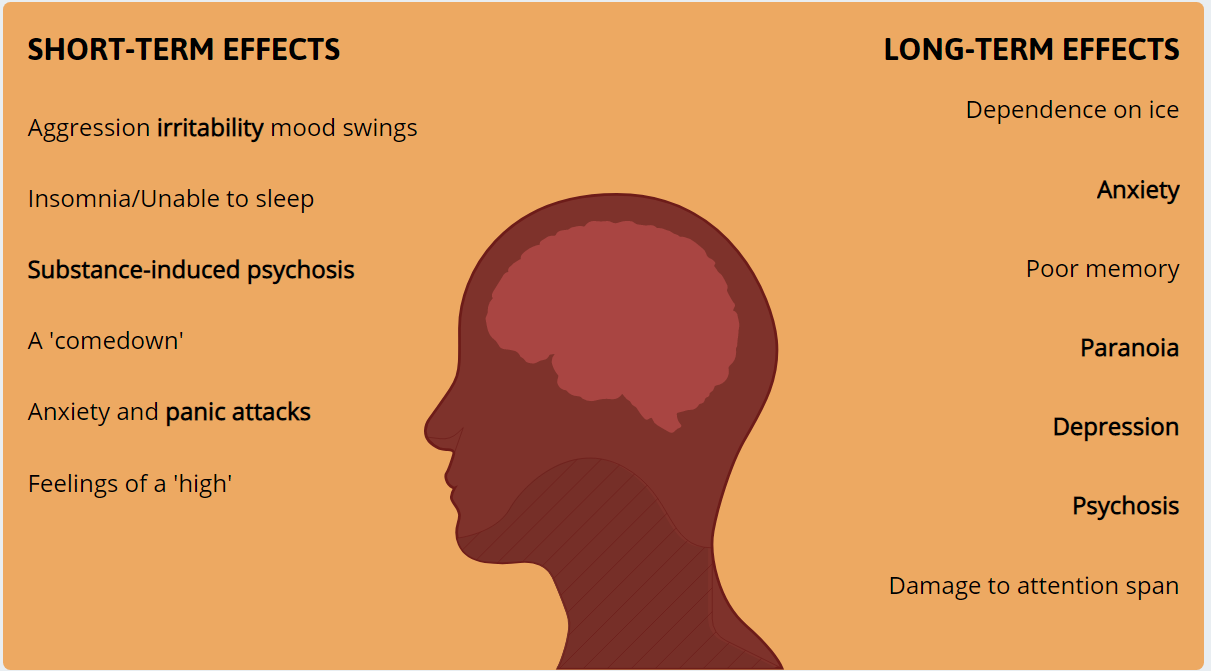
Short-Term Effects of Stimulant Use
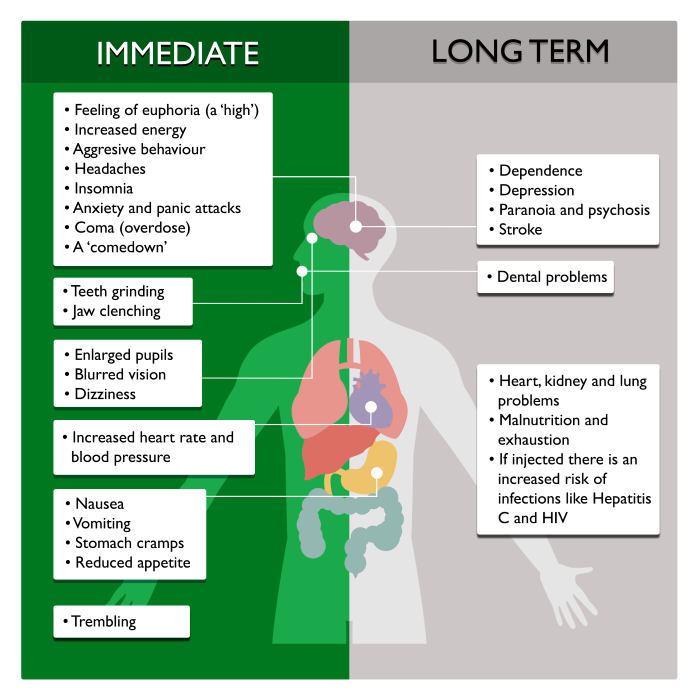
Even small amounts of stimulants can produce noticeable and potentially dangerous effects:
- Increased heart rate and blood pressure
- Insomnia and sleep disruption
- Decreased appetite and weight loss
- Anxiety and restlessness
- Agitation or irritability
These effects reflect overstimulation of the nervous and cardiovascular systems and can escalate with higher doses or prolonged use.
Long-Term Health Consequences
Chronic stimulant addiction can result in serious medical complications, including:
- Heart disease and cardiomyopathy
- Stroke and vascular damage
- Cognitive decline and memory impairment
- Persistent psychosis
- Liver and kidney damage
- Severe dental deterioration (“meth mouth”)
Long-term stimulant misuse significantly increases mortality risk, especially when combined with other substances.
Methamphetamine Use Disorder
Methamphetamine addiction is one of the most severe forms of stimulant use disorder due to its potency and long duration of action. Meth can be smoked, injected, snorted, or taken orally, and it rapidly produces intense euphoria. Its powerful effects on dopamine systems contribute to rapid dependence and neurotoxicity. Meth addiction treatment in Georgia and Alabama requires specialized behavioral strategies and ongoing monitoring due to its high relapse potential.
Why Meth Is Especially Dangerous
Methamphetamine is highly potent and long-lasting, often keeping users awake for extended periods. Its rapid onset and intense dopamine release increase addiction risk. Neurotoxic effects can damage dopamine neurons, contributing to long-term cognitive and emotional impairment. Administration methods such as injection or smoking further increase health risks.

Psychological and Behavioral Effects
Meth use is associated with severe psychiatric symptoms, including:
- Paranoia and suspiciousness
- Aggression and irritability
- Hallucinations and delusions
- Violent behavior
- Social isolation
In some cases, psychotic symptoms may persist even after stopping use.
Long-Term Brain Changes
Prolonged meth use can lead to dopamine depletion, memory impairment, and emotional instability. Brain imaging studies supported by the National Institute on Drug Abuse (NIDA) show structural and functional changes in individuals with chronic stimulant use. While some recovery is possible, treatment and sustained abstinence are critical.
Stimulant Use Trends and Public Health Impact
Stimulant use in the United States has risen sharply in recent years. According to NIDA and national survey data, millions of Americans report using cocaine or methamphetamine annually. Overdose deaths involving stimulants have increased, often linked to fentanyl contamination. Polysubstance use, combining stimulants with opioids or alcohol, has become a major driver of overdose risk. These trends highlight the urgent need for accessible stimulant addiction treatment in Georgia and Alabama and across the country.

Stimulant Dependence, Cravings, and Withdrawal
Dependence develops as the brain adapts to repeated dopamine surges. Over time, individuals may require higher doses to achieve desired effects. Binges are often followed by crashes characterized by depression and fatigue. Sleep patterns become disrupted, and functioning without stimulants feels difficult.
Signs and Symptoms of Dependence
Common indicators include:
- Increasing tolerance
- Binge episodes
- Emotional crashes
- Severe sleep disruption
- Functional reliance on stimulants
Recognizing these patterns early allows for timely intervention.
Common Withdrawal Symptoms
Stimulant withdrawal differs from opioid withdrawal but can be equally distressing:
- Depression
- Extreme fatigue
- Anxiety
- Strong cravings
- Sleep disturbances
Typical Withdrawal Timeline
| Time After Last Use | Common Symptoms |
| 24–72 hours | Crash, fatigue, depression |
| 3–7 days | Intense cravings, anxiety |
| 1–2 weeks | Mood instability, sleep issues |
| Several weeks | Gradual emotional stabilization |
Medical supervision and behavioral support significantly improve comfort and reduce relapse risk during withdrawal.
Can You Recover From Stimulant Addiction?
Recovery from stimulant addiction is possible, even after years of cocaine, methamphetamine, or prescription stimulant misuse. Research supported by the National Institute on Drug Abuse shows that the brain has the ability to heal and reorganize itself over time through a process known as neuroplasticity. As stimulant use stops, dopamine systems gradually begin to recover, allowing motivation, focus, and emotional balance to improve. Many individuals notice better sleep, clearer thinking, and more stable moods within weeks to months of treatment. Cognitive functions such as memory and decision-making can also strengthen with continued abstinence. However, recovery is not instant. Some people experience lingering fatigue, low mood, or cravings for extended periods. Structured treatment, medical supervision, and ongoing support are essential for long-term success and relapse prevention.

Evidence-Based Treatment for Stimulant Use Disorder
Stimulant use disorder requires a comprehensive treatment approach that addresses both brain chemistry and behavior patterns. Unlike opioid use disorder, there is currently no single FDA-approved medication that treats stimulant addiction directly. As a result, treatment focuses on evidence-based behavioral therapies combined with targeted medical support when appropriate. Studies funded by the National Institutes of Health show that individuals who receive structured therapy and consistent follow-up are more likely to remain engaged in care and reduce substance use. At Cornerstone HealthMD, treatment plans are personalized based on substance use history, mental health needs, and personal goals. This individualized approach improves safety, comfort, and long-term recovery outcomes.
Behavioral Therapies With Strong Evidence
Behavioral treatment is the foundation of stimulant addiction recovery. Several therapies have strong scientific support:
- Cognitive Behavioral Therapy (CBT): Helps identify triggers, change harmful thinking patterns, and build coping skills
- Contingency Management: Uses structured rewards to reinforce drug-free behavior
- Motivational Interviewing: Strengthens personal motivation and commitment to change
- Skills Training: Builds stress management, communication, and problem-solving abilities
These approaches help individuals manage cravings, reduce relapse risk, and rebuild healthy routines. When combined with medical care, behavioral therapies significantly improve long-term outcomes.
Medications Used in Treatment (When Appropriate)
Although no medication is approved specifically for stimulant addiction, certain medications may be used to manage cravings, mood symptoms, and co-occurring conditions.
| Medication | Purpose |
| Bupropion | Helps reduce cravings and low mood |
| Naltrexone | Used in selected cases to reduce reward response |
| Mirtazapine | Supports sleep and mood stability |
| NAC | May help regulate craving pathways |
Prescribing is always individualized. Providers carefully evaluate medical history, mental health conditions, and substance use patterns before recommending medication. Co-occurring disorders such as depression, anxiety, ADHD, or trauma are treated alongside stimulant use disorder to improve recovery stability.
How Telemedicine Stimulant Treatment Works
Telemedicine makes professional stimulant addiction treatment accessible to adults throughout Georgia and Alabama. Through secure online platforms, patients receive the same clinical standards as in-person care without travel or public exposure. This model removes common barriers such as transportation issues, work conflicts, and long waiting lists. Federal health data shows that telehealth-based addiction treatment can achieve outcomes similar to traditional programs when properly structured. At Cornerstone HealthMD, virtual care ensures continuity, privacy, and consistent medical oversight throughout recovery.
Private, Secure Virtual Care
All visits are conducted using HIPAA-compliant video platforms to protect patient confidentiality. There are no clinics, crowded waiting rooms, or public interactions. Patients can speak openly with providers from home in a comfortable setting. Flexible scheduling allows appointments to fit into daily life, improving attendance and treatment consistency. Many individuals feel more relaxed in virtual visits, leading to better communication and more effective care.
What to Expect During Treatment
Treatment begins with a comprehensive evaluation that reviews substance use history, physical health, mental health, and lifestyle factors. Providers conduct mental health screening and risk assessments to identify depression, anxiety, trauma, or psychosis. A personalized treatment plan is then developed, outlining therapy strategies, medication options, and recovery goals. Follow-up visits monitor progress, address challenges, and adjust care as needed. This ongoing process ensures that treatment remains responsive and supportive.
Medications Prescribed at Cornerstone HealthMD
Cornerstone HealthMD follows federal and clinical guidelines for stimulant treatment. There are no FDA-approved medications specifically for cocaine or methamphetamine addiction, so care focuses on symptom management and co-occurring conditions.
Key prescribing principles include:
- Use of evidence-based medications for mood, sleep, or cravings
- Prescriptions sent to patient-chosen pharmacies
- No on-site medication dispensing
- Services limited to Georgia and Alabama residents
- Treatment for adults aged 18 and older
This approach prioritizes safety, compliance, and transparency.
Why Telemedicine Improves Stimulant Recovery Outcomes
Telemedicine improves recovery outcomes by removing practical and emotional barriers to care. Without travel and long waits, patients are more likely to attend follow-ups and remain engaged. Regular virtual check-ins allow early intervention when cravings or emotional symptoms increase. Increased convenience promotes honesty and openness, helping providers respond quickly to setbacks. Research supported by the U.S. Public Health Service shows that consistent follow-up combined with behavioral therapy improves retention and relapse prevention. This structure supports long-term recovery.

Who Is This Program Designed For?
This telemedicine-based stimulant treatment program is designed for adults who want structured, medically guided support. It is appropriate for individuals who:
- Use cocaine or methamphetamine regularly
- Misuse ADHD medications such as Adderall or Ritalin
- Experience binge cycles and crashes
- Feel unable to control stimulant use
- Prefer private, home-based care
- Want outpatient treatment with professional oversight
A medical evaluation ensures that each patient receives appropriate and individualized care.
When to Seek Professional Help for Stimulant Use
Professional help is recommended when self-control attempts repeatedly fail, binges escalate, or mental health symptoms worsen. Warning signs include severe anxiety, depression, paranoia, relationship conflict, job problems, and combining stimulants with alcohol or opioids. Polysubstance use greatly increases overdose risk and requires immediate medical attention. Individuals seeking confidential support can contact the SAMHSA National Helpline at 1-800-662-HELP (4357) for free referrals and guidance.
Frequently Asked Questions About Stimulant Treatment
Why Choose Cornerstone HealthMD for Stimulant Treatment in Georgia and Alabama
Cornerstone HealthMD provides specialized stimulant addiction treatment led by addiction-trained clinicians. The program combines telemedicine expertise with integrated mental health care and personalized recovery planning. Transparent pricing, consistent follow-ups, and evidence-based practices help patients remain engaged. Providers focus on long-term stability rather than short-term symptom control, ensuring that recovery is supported at every stage.
How to Get Started With Stimulant Treatment in Georgia and Alabama
Beginning treatment is simple and designed to reduce stress and delays. Patients start by scheduling a private telemedicine appointment with a licensed Georgia and Alabama provider. Before the visit, confidential intake forms are completed online. During the consultation, the provider reviews health history, discusses goals, and develops a personalized care plan. Follow-up visits support ongoing progress and adjustments.