

Smoking Cessation Treatment in Georgia and Alabama Through Telemedicine
Smoking and nicotine dependence continue to affect thousands of adults across Georgia and Alabama, often creating a cycle of repeated quit attempts, frustration, and disappointment. Many people genuinely want to stop smoking or vaping, yet feel overwhelmed by cravings, withdrawal symptoms, and fear of failure. Others delay seeking help because of embarrassment, busy schedules, or limited access to in-person clinics. Cornerstone Health MD was created to remove these barriers by providing confidential medical support through secure telemedicine visits. This approach allows individuals to receive professional care without disrupting work, family responsibilities, or personal routines. By treating nicotine addiction as a medical condition rather than a personal weakness, Cornerstone HealthMD helps patients feel respected, supported, and motivated. With proper evaluation, medication when appropriate, and consistent follow-up, quitting becomes a realistic and achievable goal rather than an unreachable promise.
Confidential, Evidence-Based Help to Quit Smoking or Vaping
Cornerstone HealthMD offers a structured, medically supervised program designed to help adults quit smoking and vaping safely and effectively. All care is provided by licensed Georgia and Alabama clinicians with experience in addiction and preventive medicine. Through private telemedicine appointments, patients receive individualized treatment plans that combine FDA-approved medications with behavioral support. This integrated approach reflects recommendations from public health organizations such as the Centers for Disease Control and Prevention (CDC), which emphasize combining medication and counseling for higher quit rates. Visits are conducted on secure platforms to protect privacy and reduce stigma. Ongoing follow-ups help providers adjust treatment based on progress and challenges. Patients are never left to manage cravings alone. This model provides accountability, encouragement, and medical oversight at every stage of the quit process.
Clear next steps through a Book a Telemedicine Visit option
Prefer a call first? Talk to a care coordinator
Understanding Nicotine Addiction and Smoking Dependence
Nicotine addiction develops through repeated exposure to tobacco or vaping products and affects both the brain and behavior. Over time, nicotine changes how the brain responds to stress, pleasure, and daily routines. Many people continue using nicotine even when they understand the health risks because their bodies have adapted to its presence.
According to the National Institute on Drug Abuse (NIDA), nicotine is one of the most addictive substances commonly used, with dependence developing rapidly in many users. This dependence can interfere with concentration, mood, sleep, and work performance. Understanding how addiction works helps remove shame and blame. When people recognize that smoking dependence is rooted in biology and habit formation, they are more likely to seek medical support and remain engaged in treatment.
| Time After Quitting | Common Symptoms | What Helps |
| 1–3 days | Cravings, irritability | Medication, hydration |
| 1 week | Anxiety, fatigue | Support, exercise |
| 1 month | Occasional urges | Counseling |

What Is Nicotine Use Disorder?
Nicotine use disorder is a recognized medical condition characterized by ongoing nicotine use despite negative health, social, or emotional consequences. It involves strong cravings, difficulty cutting down, withdrawal symptoms, and continued use even when someone wants to quit. Diagnostic criteria outlined in the DSM-5-TR help clinicians assess severity and guide treatment planning. This condition can affect people who smoke cigarettes, use e-cigarettes, or rely on other nicotine products. Nicotine use disorder is not a lack of discipline or motivation. It reflects changes in brain chemistry and learned behavioral patterns. Over time, nicotine becomes tied to daily routines, stress management, and emotional regulation. Medical treatment helps interrupt this cycle and supports individuals as they rebuild healthier coping strategies and habits.
How Nicotine Affects the Brain
Nicotine reaches the brain within seconds of inhalation, where it stimulates the release of dopamine in reward-related areas. This rapid effect reinforces repeated use and creates strong associations between nicotine and pleasure or stress relief. With continued exposure, the brain reduces its natural dopamine production and becomes dependent on nicotine to feel balanced. This leads to tolerance, meaning more nicotine is needed to achieve the same effect. When nicotine levels drop, withdrawal symptoms such as irritability, anxiety, restlessness, poor concentration, and increased appetite appear. Environmental cues, such as coffee, driving, or social situations, can also trigger cravings. These biological and behavioral factors explain why quitting without support is often difficult and why medical treatment improves success rates.

How Smoking and Vaping Affect the Body
Smoking and vaping expose the body to thousands of harmful chemicals that affect nearly every organ system. Cigarette smoke contains toxins such as carbon monoxide, formaldehyde, and benzene, while many vaping products contain nicotine, heavy metals, and flavoring agents linked to lung injury. These substances enter the bloodstream through the lungs and spread throughout the body within seconds.
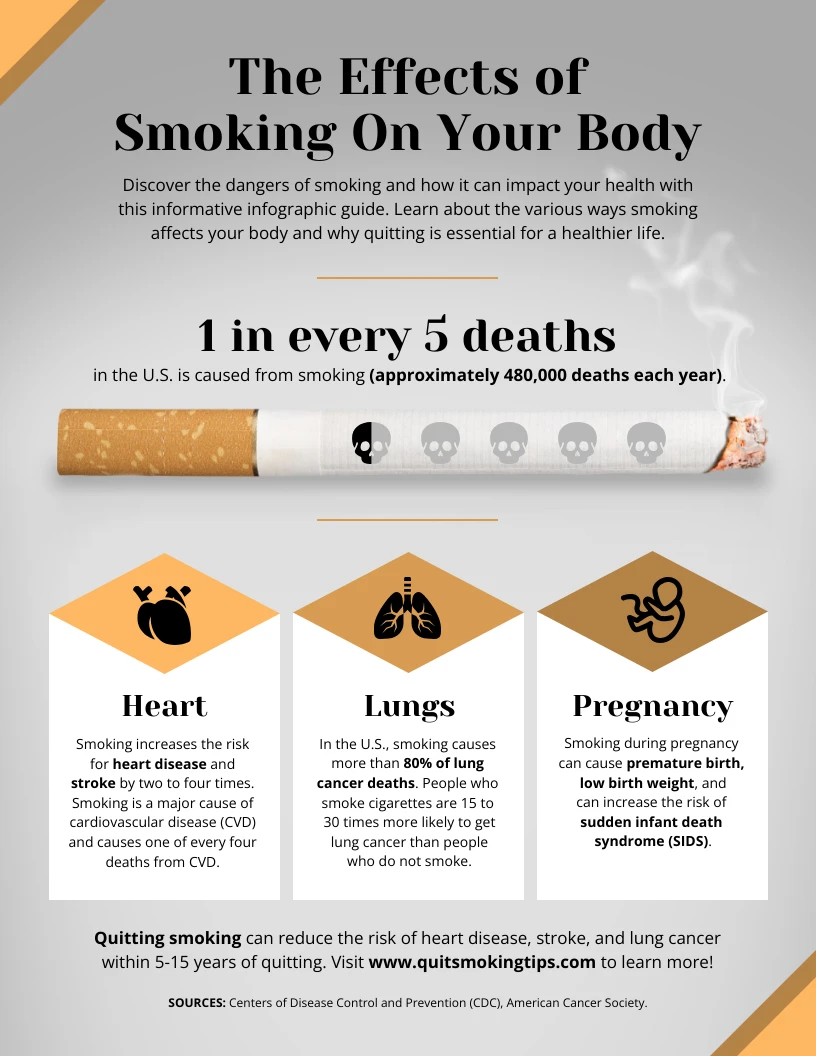
Over time, repeated exposure damages tissues, weakens immune function, and increases the risk of chronic disease. The CDC reports that smoking remains the leading preventable cause of death in the United States. Understanding how nicotine products harm the body reinforces the importance of quitting early and seeking medical support to reduce long-term health consequences.

Immediate and Short-Term Effects
Shortly after smoking or vaping, the body experiences measurable changes. Heart rate and blood pressure increase as nicotine stimulates the nervous system. Carbon monoxide reduces the blood’s ability to carry oxygen, forcing the heart and lungs to work harder. Airways become irritated, leading to coughing, throat discomfort, and shortness of breath. Blood vessels constrict, reducing circulation to the hands, feet, and vital organs. Many users also experience headaches, dizziness, and fatigue. These effects may seem temporary, but repeated exposure places ongoing strain on the cardiovascular and respiratory systems. Over time, this strain contributes to chronic inflammation, reduced physical endurance, and early development of disease.

Long-Term Organ Damage
Long-term nicotine use leads to progressive damage across multiple organ systems. Continuous exposure weakens tissues, accelerates aging, and increases vulnerability to serious illness.
Lungs
- Chronic obstructive pulmonary disease (COPD)
- Emphysema
- Lung cancer
- Chronic bronchitis
Heart and Blood Vessels
- Atherosclerosis (artery narrowing)
- Heart attack
- Stroke
- Peripheral artery disease
Cancer Risk
- Lung
- Throat
- Mouth
- Bladder
- Pancreas
- Colon
- Cervix
Brain and Mental Health
- Ongoing dependence
- Increased anxiety
- Mood instability
Reproductive and Pregnancy Risks
- Reduced fertility
- Erectile dysfunction
- Miscarriage risk
- Low birthweight
These risks increase with duration and intensity of use.
Health Risks of Smoking and Secondhand Smoke
Smoking harms not only the user but also family members and people nearby. Secondhand smoke contains many of the same toxic chemicals found in inhaled smoke. According to the CDC, exposure increases the risk of heart disease, lung cancer, asthma attacks, and respiratory infections in children. Pregnant individuals exposed to smoke face higher risks of complications. Long-term household exposure contributes to chronic illness and reduced quality of life. The Substance Abuse and Mental Health Services Administration (SAMHSA) emphasizes the importance of reducing environmental tobacco exposure as part of comprehensive public health efforts. Quitting protects personal health while also creating a safer environment for loved ones and the wider community.
Can the Body Heal After Quitting Smoking?
Quitting smoking allows the body to begin repairing itself almost immediately. While some damage may be permanent, many organs show measurable improvement over time. The American Heart Association and CDC report significant reductions in cardiovascular and respiratory risk after cessation. Healing occurs gradually and depends on factors such as age, length of use, and existing medical conditions. Even individuals who have smoked for decades benefit from quitting. Each smoke-free day reduces inflammation, improves circulation, and strengthens immune function. This recovery process provides strong motivation for individuals who worry that it may be “too late” to benefit from stopping.

What Happens After You Quit?
| Timeframe | Health Improvement |
| 20 minutes | Heart rate and blood pressure begin to normalize |
| 24 hours | Carbon monoxide clears from the blood |
| Weeks | Breathing improves, coughing decreases |
| Months | Lung cilia repair, infection risk drops |
| Years | Heart disease and cancer risk declines |
While advanced lung disease may not fully reverse, quitting always improves survival and quality of life. Starting at any stage provides meaningful health benefits.
Evidence-Based Treatment Options to Help You Quit
Successful smoking cessation is most likely when medical treatment and behavioral support are combined. Research published by the U.S. Public Health Service shows that this approach can double or triple quit rates compared to unaided attempts. Treatment focuses on reducing withdrawal symptoms, managing cravings, and building long-term coping skills. At Cornerstone HealthMD, providers assess medical history, smoking patterns, and personal goals before recommending a treatment plan. This individualized approach increases safety and improves adherence. Patients receive ongoing guidance to adjust strategies as challenges arise. Evidence-based care emphasizes consistency, accountability, and realistic expectations rather than short-term fixes.
Medications That Improve Quit Success Rates
Several FDA-approved medications have been proven to improve cessation outcomes:
- Varenicline (Chantix): Reduces cravings and blocks nicotine’s rewarding effects
- Bupropion (Zyban): Helps reduce withdrawal and mood symptoms
- Nicotine Replacement Therapy (NRT): Patches, gum, lozenges, or inhalers
Clinical trials show that these medications can increase long-term abstinence rates by 50% to 100% when used correctly. Providers monitor side effects, interactions, and responses to ensure safe use. Medication is always combined with education and follow-up to maximize effectiveness.
Behavioral Therapy and Structured Support
Behavioral support addresses the habits, emotions, and situations linked to smoking. Cognitive-behavioral therapy helps patients recognize triggers and develop alternative responses. Trigger management focuses on identifying high-risk moments, such as stress or social situations. Stress coping techniques include relaxation exercises, activity planning, and problem-solving strategies. Relapse prevention teaches patients how to respond constructively if slips occur. Research supported by SAMHSA shows that structured counseling improves treatment retention and long-term success. At Cornerstone HealthMD, behavioral guidance is integrated into medical visits, ensuring that patients receive practical tools alongside medication support.
How Telemedicine Smoking Cessation Treatment Works
Telemedicine allows adults in Georgia and Alabama to receive professional smoking cessation care without the barriers of travel, long wait times, or public clinic visits. Through secure online platforms, patients meet with licensed providers who specialize in addiction and preventive care. This approach follows the same clinical standards as in-person treatment while offering greater convenience and privacy.
Research from the U.S. Department of Health and Human Services shows that telehealth-based behavioral and medication support can produce outcomes comparable to traditional clinic care. By removing logistical obstacles, telemedicine helps patients stay consistent with appointments and remain engaged in their quit plans. At Cornerstone HealthMD, this model ensures that individuals receive structured, medically supervised support while continuing to manage work, family, and personal responsibilities from home.
Medications Prescribed at Cornerstone HealthMD
Cornerstone HealthMD prescribes only FDA-approved, evidence-based medications that have been shown to improve smoking cessation outcomes. These include varenicline, bupropion, and nicotine replacement therapies when clinically appropriate. Each medication is selected based on medical history, smoking patterns, and individual preferences. Prescriptions are sent directly to a pharmacy chosen by the patient, ensuring proper dispensing and safety monitoring. Medications are not provided on-site, in compliance with federal and state regulations. Treatment is available only to adults aged 18 and older who reside in Georgia and Alabama. This structured prescribing process prioritizes patient safety, regulatory compliance, and long-term treatment success.

When to Seek Help for Nicotine Dependence
Professional help should be considered when repeated quit attempts have failed, cigarette or vaping use is increasing, or health concerns are becoming more serious. Planning for pregnancy, experiencing breathing problems, or worrying about long-term lung damage are also important reasons to seek care. Early intervention improves success rates and reduces long-term health risks. Individuals who need immediate guidance can contact the CDC Quitline at 1-800-QUIT-NOW for free counseling and referrals. Educational resources are also available through Smokefree.gov, which offers tools and support for quitting. Medical treatment provides additional structure and accountability for those who need more than self-guided programs.
How to Get Started with Smoking Cessation Treatment in Georgia and Alabama
Beginning treatment with Cornerstone HealthMD is designed to be simple and stress-free. The first step is scheduling a private telemedicine appointment with a licensed Georgia and Alabama provider. Before the visit, patients complete confidential intake forms that provide important medical and behavioral health information. During the initial consultation, the provider reviews this information, discusses treatment goals, and develops a personalized quit plan. When appropriate, medication support is initiated, and follow-up visits are scheduled. This step-by-step process ensures safety, clarity, and ongoing guidance. Patients receive consistent support as they work toward long-term nicotine freedom.
Have questions before booking?
Talk to a care coordinator